
What I Wish I'd Known Before I Checked His Phone
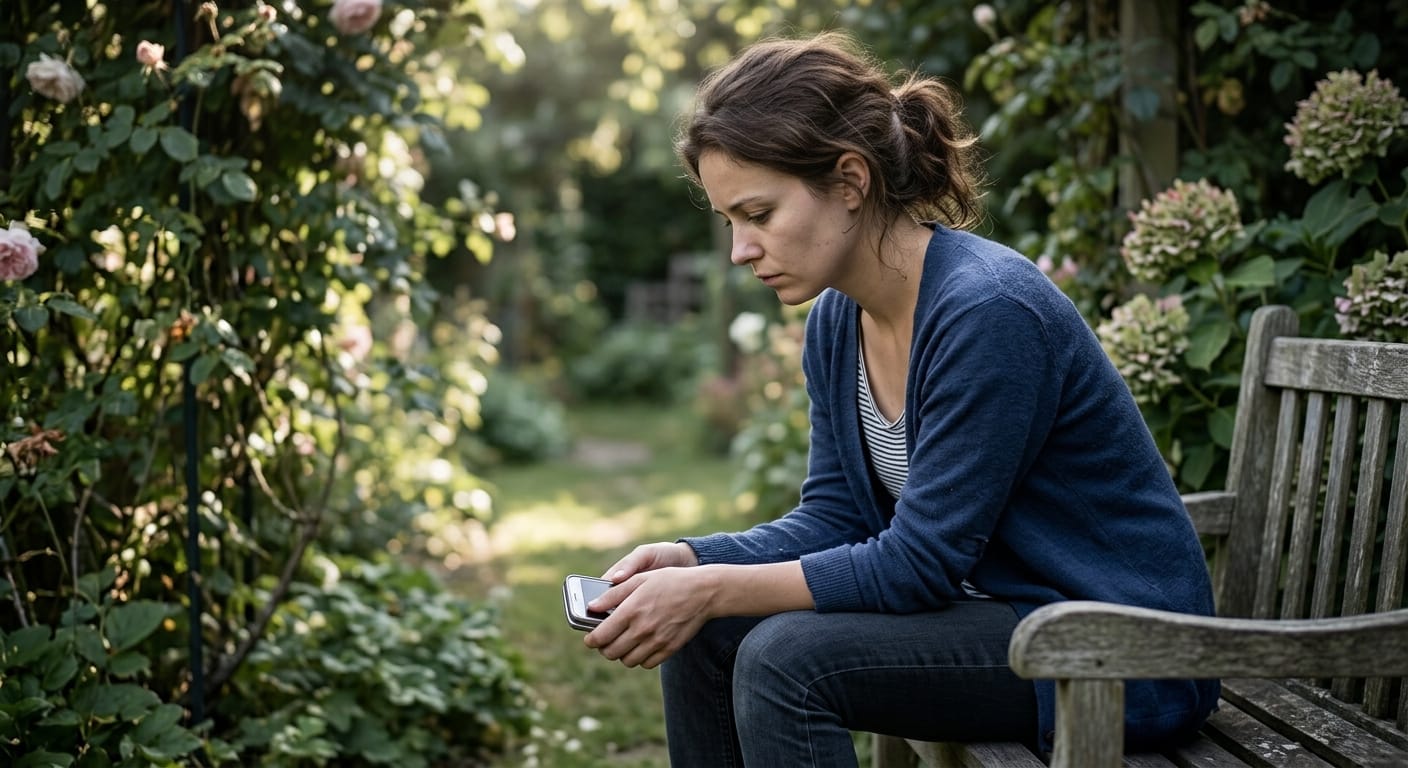
I never actually did it, and I'm glad, though I came close enough times to know exactly what pulled at me in those moments. I want to write honestly about that pull, because I think most women who've been where I was have felt it too, and very few of us talk about it out loud.
The Pull Is Real, and It's Not a Character Flaw
Wanting certainty, immediately and completely, is not a moral failing. It's what a nervous system does when it's been living in uncertainty for too long. The exhaustion of not knowing can make the idea of one quick look feel like relief, like it might finally end something that's been dragging on for weeks.
I'm not writing this to shame anyone who has done it. I'm writing it because I want you to have the fuller picture before you decide, not just the tempting half.
What I Understood, Looking at It Honestly
The thing I had to sit with was this: whatever I found or didn't find, I would still have gone looking in secret. That fact wouldn't disappear just because the phone turned out to be innocent. It would still be true that I hadn't trusted him enough to ask directly, or trusted myself enough to sit with not knowing a little longer.
If I found nothing, I likely wouldn't have felt relieved for long, because the underlying uncertainty that sent me looking in the first place would still be there, unaddressed. If I found something, I'd have it without any way to explain how I knew, which meant the moment I revealed it, I'd be defending my methods instead of addressing what I'd found.
The Question I Asked Myself Instead
Before I ever got close to doing it, I started asking myself a different question: what am I actually trying to solve right now, the not knowing, or something specific I could just ask about directly? Most of the time, the honest answer was that I was avoiding a conversation I was afraid to have, and looking for a shortcut around the fear instead of through it.
That reframe didn't make the urge disappear. It gave me somewhere else to put the energy, toward the harder, more honest option of actually saying what I was afraid of, out loud, to him.
What Actually Helped More
I found that writing down what I was noticing, plainly and without interpretation, did more for my sense of grounding than certainty ever could have. It gave me something to look at besides the urge itself. Over time, patterns showed up on paper, if they were real, without me having to compromise anything to see them.
If this pull is something you're sitting with right now, I wrote more about non-accusatory ways to raise digital boundaries directly, instead of around them, in The Difference Between Privacy and Secrecy.
See the full book: → The Voice You Can't Ignore

Marta Romero
I'm American, I've lived most of my life on the East Coast, and I still believe in writing things down by hand when a thought won't leave me alone. I wrote The Voice You Can't Ignore under a pen name, not to hide, but to protect the people who are still part of my life and didn't ask to be part of this story too.
If This Helped, There's More
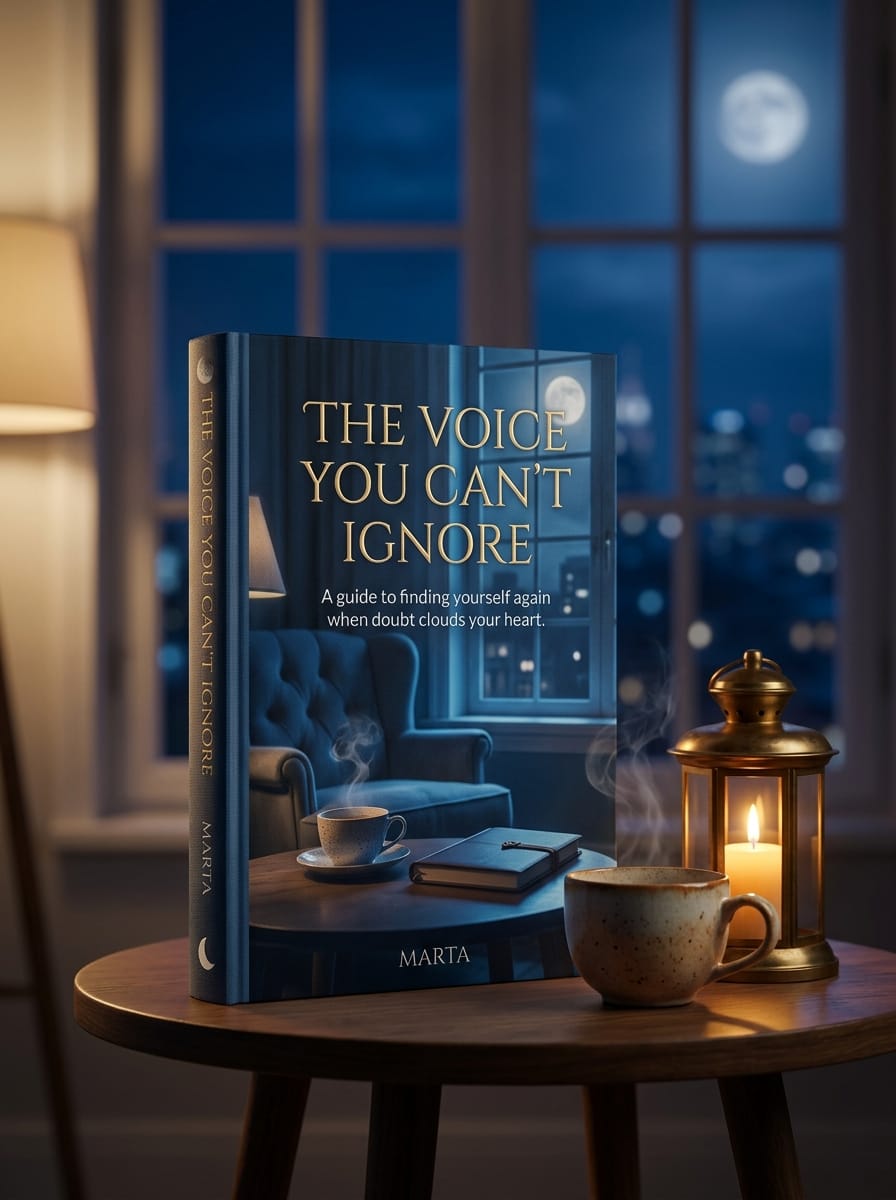
This article is one piece of a bigger picture. The full book walks through all of it, along with the journal I used to stay honest with myself along the way.
Get New Chapters and Reflections
By subscribing, you agree to receive occasional emails from Marta Romero. You can unsubscribe at any time. See our [Privacy Policy].

Books and resources for women navigating relationship doubt, written from lived experience, not clinical distance.
Disclaimer
Newsletter
Get new chapters, reflections, and the occasional honest thought, straight to your inbox.
By subscribing, you agree to receive occasional emails from Marta Romero. You can unsubscribe at any time. See our Privacy Policy
By Marta Romero