
Why the Body Tells the Truth Before He Does
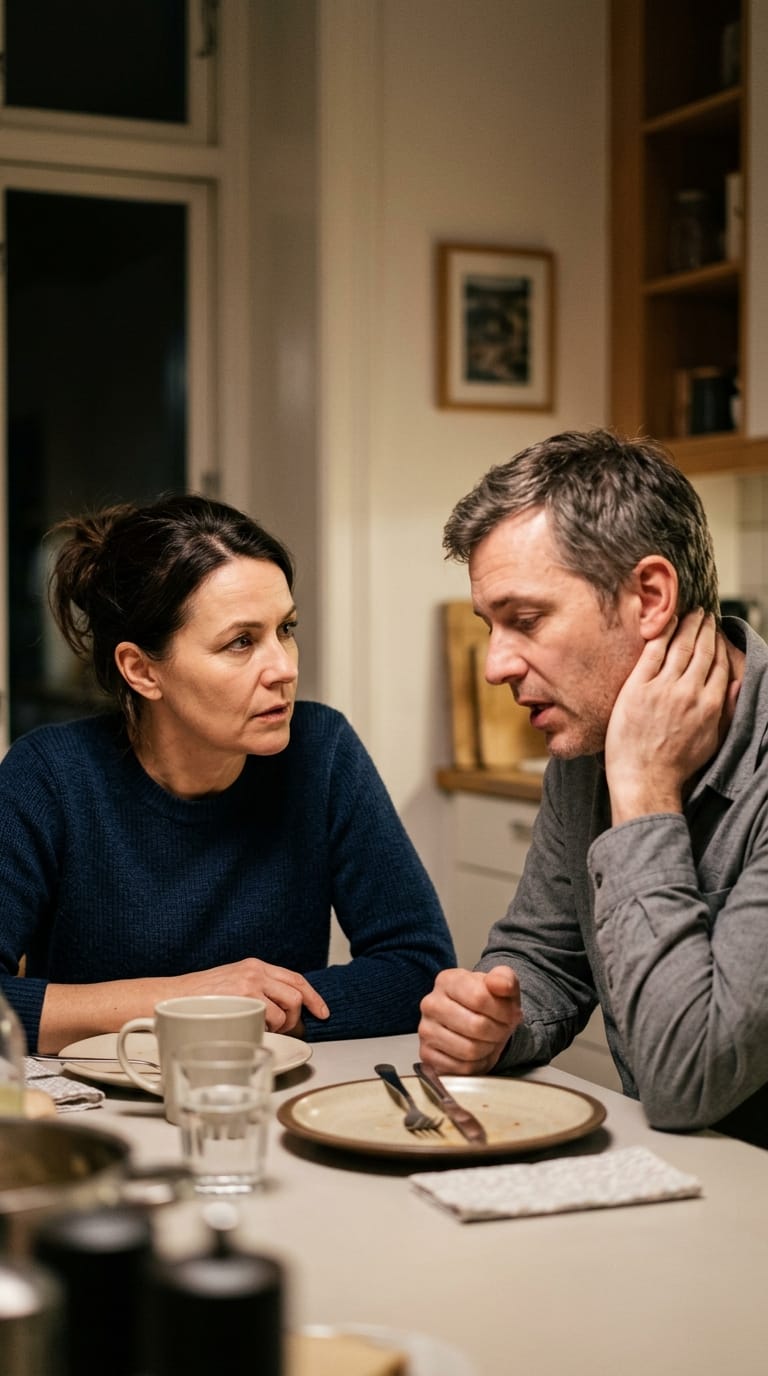
I noticed something was different at dinner, on an ordinary night, over something as small as where his eyes landed while I was talking. It took me months to notice the rest. Not because it was hidden. Because I hadn't yet learned to actually look.
For a long time, I only paid attention to what he said. His words were careful, consistent, reasonable. If I'd been grading the relationship on conversation alone, everything would have looked fine. But somewhere underneath the words, something else was happening, and I was the last one to admit I'd been seeing it for weeks.
Words Can Be Rehearsed. The Body Can't.
A story can be practiced until it sounds smooth. Someone can choose their words with real care, especially if they have a reason to. But the body doesn't get the same rehearsal. It reacts before the mind catches up, in the half-second before a person decides how they want to look.
That's not a theory I read somewhere and adopted. It's something I learned by watching, slowly and reluctantly, because for a long time it felt safer not to look too closely. Believing the words was easier than noticing what the rest of him was doing while he said them.
What Changed When I Actually Started Watching
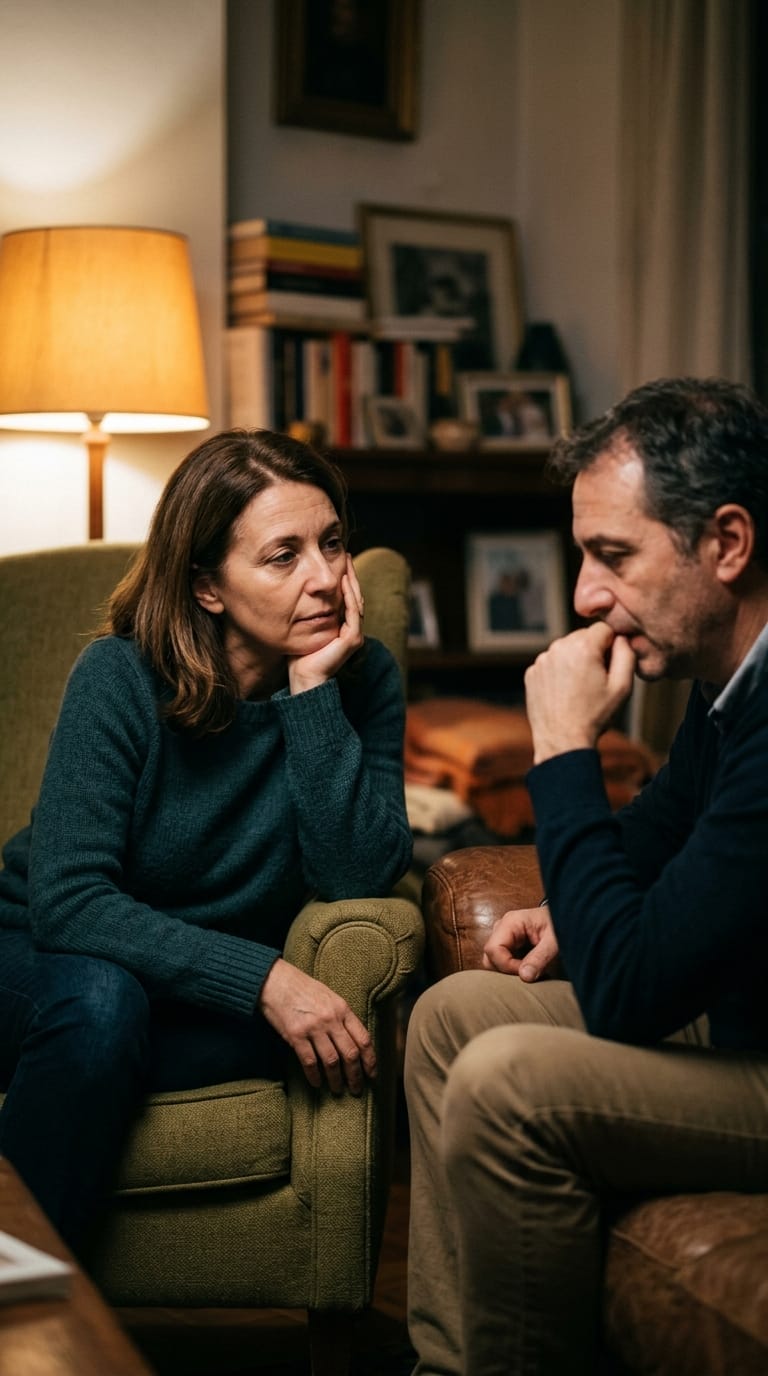
I started paying attention to the small things I used to let pass without a second thought. Where his eyes went during a real conversation, not small talk, the ones that actually mattered. What his posture did when I brought something up that clearly landed wrong. How present he was in the ordinary, unguarded moments, the ones nobody performs for.
None of it, on its own, told me anything definitive. A single moment is just a moment. What started to matter was the pattern, the way certain things kept repeating in the same direction, week after week, regardless of what he was actually saying at the time.
This Isn't About Becoming Suspicious of Everything
I want to be honest about something here, because it matters more than the observations themselves: learning to read someone's body language isn't the same as treating every gesture as evidence. Plenty of distance, distraction, and quiet has nothing to do with betrayal. Stress does this. Exhaustion does this. A hard week at work does this.
The point was never to build a case. It was to stop dismissing what I was already noticing, and to give myself permission to actually look instead of talking myself out of it every single time.
Where I'd Start, If I Were You
If something in this resonates, if you've caught yourself reading a room the way I'm describing and then immediately telling yourself you're imagining it, that instinct is worth more credit than you're probably giving it right now.
I put together a free guide that walks through the specific signals I learned to watch for, the concrete ones, not the vague kind of advice that just tells you to trust your gut without giving you anything to actually look for. It's the guide I wish someone had handed me before that dinner, not months after it.
Get the free guide:→ The Seven Invisible Signals
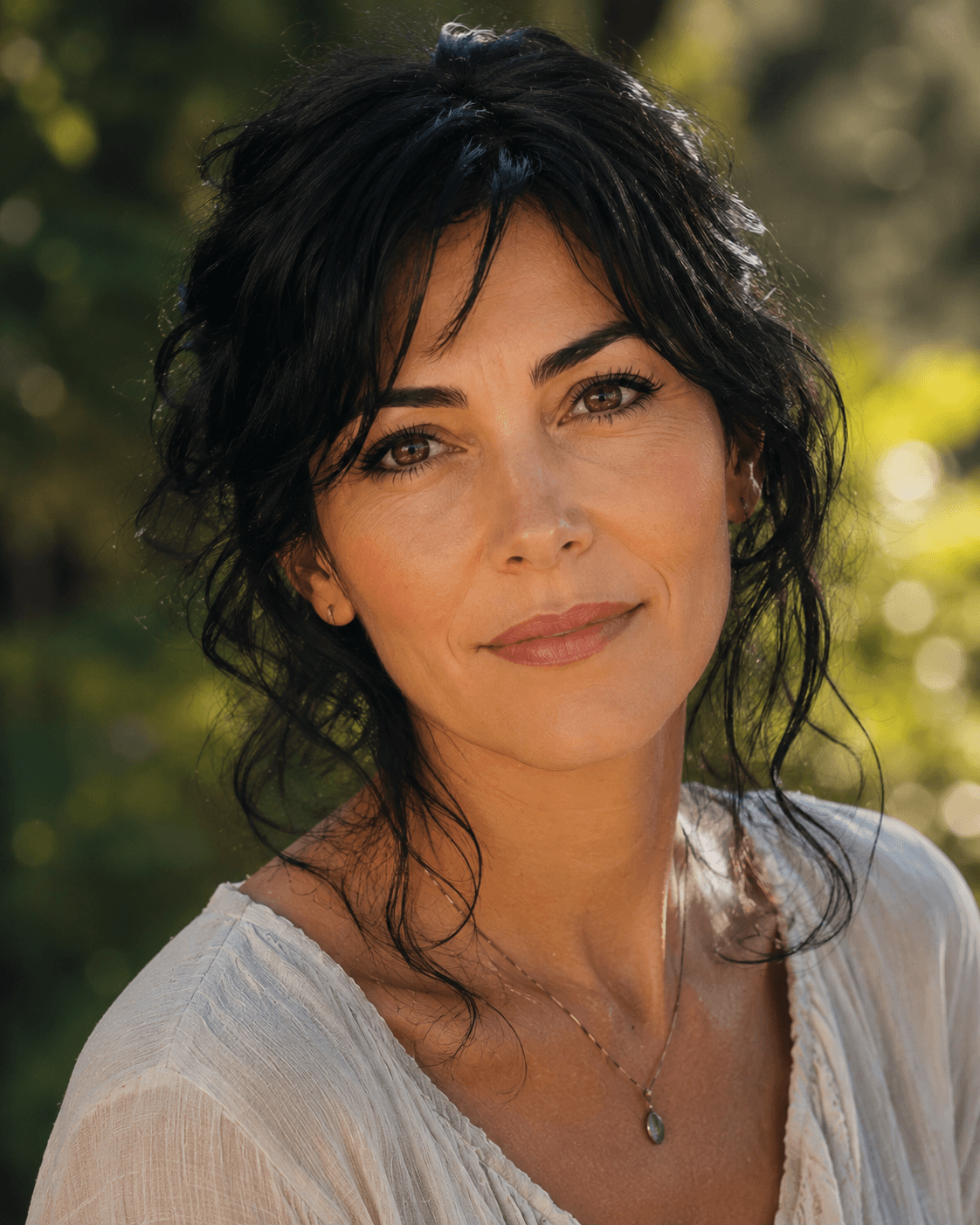
Marta Romero
I'm American, I've lived most of my life on the East Coast, and I still believe in writing things down by hand when a thought won't leave me alone. I wrote The Voice You Can't Ignore under a pen name, not to hide, but to protect the people who are still part of my life and didn't ask to be part of this story too.
If This Helped, There's More

This article is one piece of a bigger picture. The full book walks through all of it, along with the journal I used to stay honest with myself along the way.
Get New Chapters and Reflections
By subscribing, you agree to receive occasional emails from Marta Romero. You can unsubscribe at any time. See our [Privacy Policy].

Books and resources for women navigating relationship doubt, written from lived experience, not clinical distance.
Disclaimer
Newsletter
Get new chapters, reflections, and the occasional honest thought, straight to your inbox.
By subscribing, you agree to receive occasional emails from Marta Romero. You can unsubscribe at any time. See our Privacy Policy
By Marta Romero